University guide
Bocconi application guide for bachelor’s and master’s
How Bocconi University applications work for international bachelor’s and master’s candidates—from rounds and tests to documents, scholarships and enrolment. Written from one student’s master’s application, with official links for details that change.
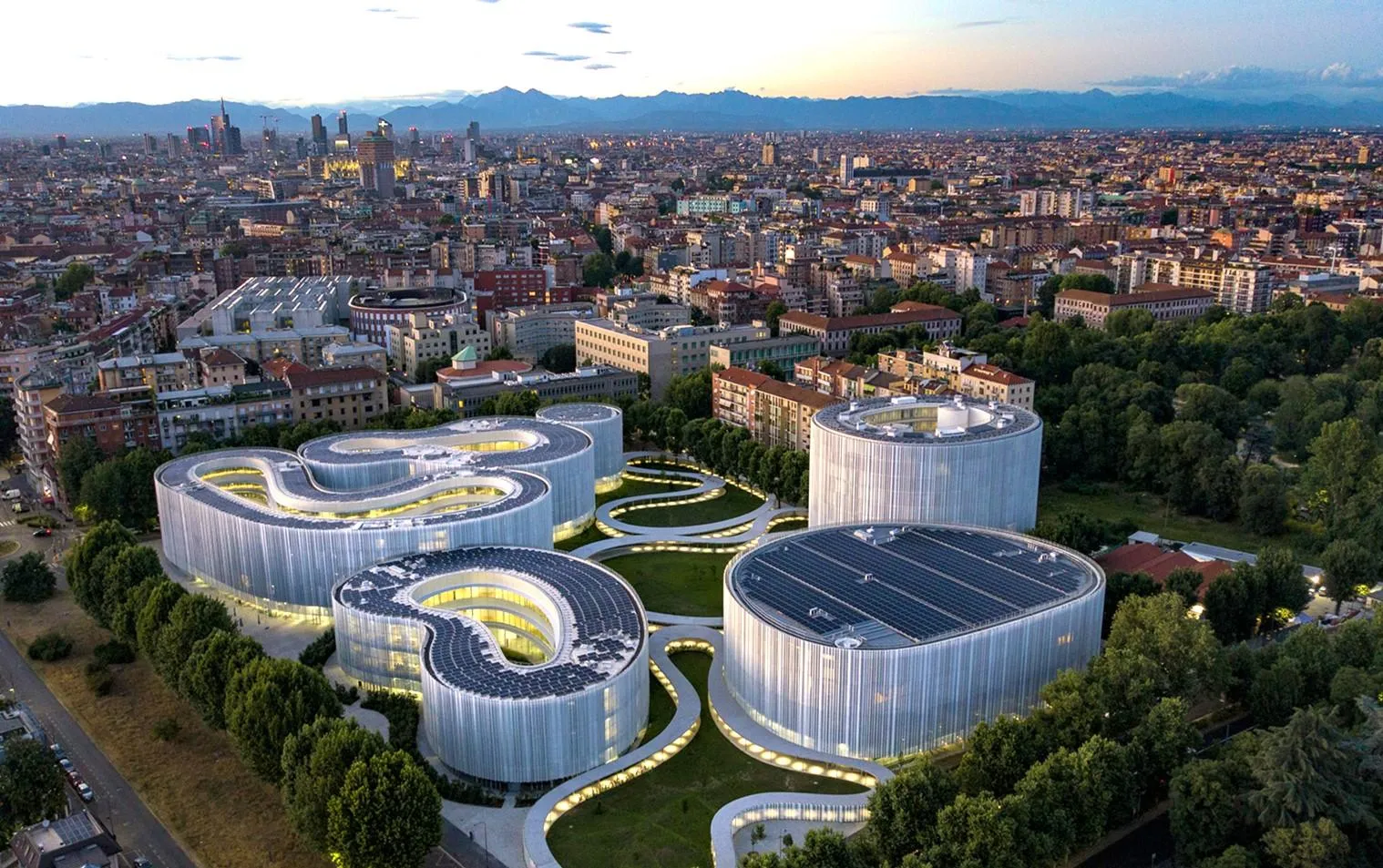
Bocconi bachelor’s and master’s applications
Bocconi opens several application rounds per academic year. Earlier rounds usually mean earlier decisions, and available places shrink as rounds progress. Round dates and criteria change by program, so confirm them on the official admissions page before planning your timeline.
Bachelor's selection generally looks at your secondary-school record, an admission test (Bocconi's own or an accepted international test) and English proficiency.
Master's selection looks at your academic background, fit with the curriculum and a test result. Quantitative programs pay close attention to prior maths and statistics coursework.
A typical master's application runs like this:
- Choose the program and read its specific requirements.
- Prepare academic documents and any requested translations.
- Book and take the required admission test.
- Write and revise your CV and motivation letter.
- Submit within a round and track follow-up requests.
Admission test and language
Accepted tests differ by program — some accept GMAT or GRE, others use the Bocconi test, and bachelor's selection may use a different test entirely. Confirm which one your program accepts before you start studying.
- Check the structure and time limits on the official page.
- Practise under timed conditions, not only by reviewing theory.
- Plan test dates around the round you are targeting.
- Leave room for score reporting, which can take time.
English-taught programs require an accepted English certificate; Italian-taught programs require Italian proficiency. Accepted certificates and validity periods vary.
Documents you will likely need
- Academic transcripts and diploma or enrollment certificate
- CV in a clear, consistent format
- Motivation letter written for the specific program
- Language certificate
- Admission-test result
- Passport or identity document
- Translations, apostille or legalisation where requested
Scholarships and financial support
Admission and scholarship applications may be separate — an offer does not confirm financial support. Research merit-based awards, need-based support, tuition reductions and external or regional funding while you apply.
Financial assessments often need documents that take weeks to collect, translate or legalise, so start early.
Housing
University residences are usually assigned through an online process with a fixed opening moment, and places go quickly. Prepare your account, documents and preferences in advance, and keep a private-market backup plan.
After admission
- Confirm your place within the stated timeframe.
- Upload or submit final academic documents.
- Prepare visa documents, including admission evidence.
- Arrange accommodation evidence and health insurance.
- Plan the residence-permit steps for after arrival.
Official links
Review status: Review date to be added